


a journey through love, loss, and the promise of joy

About the Book*
From adolescence on, Alex struggled with major depressive disorder and addiction. Over the course of years, his parents fought alongside him — navigating treatments, crises, and a mental health system that was too often insufficient for the weight of what he was carrying. They loved him completely and without reservation.
They lost him a few years ago.
"I want people who read this to feel our deep devotion to our son — and the excruciating pain of losing him. And then I want them to see the light that Kathy and I found on our path forward. Because it is there."
This memoir is the full account: who Alex was, what those years looked like from the inside, what the grief of losing him felt like, and how two people who loved each other and loved their son found their way — slowly, imperfectly — back to joy. It is also a frank account of the mental health system and what it asks of families, and what it too often fails to give them.
Comparable titles: Beautiful Boy, The Year of Magical Thinking
*All after-tax profits will be donated to the National Alliance on Mental Illness (NAMI). Jeff hopes that Alex's story continues to help people long after the last page.
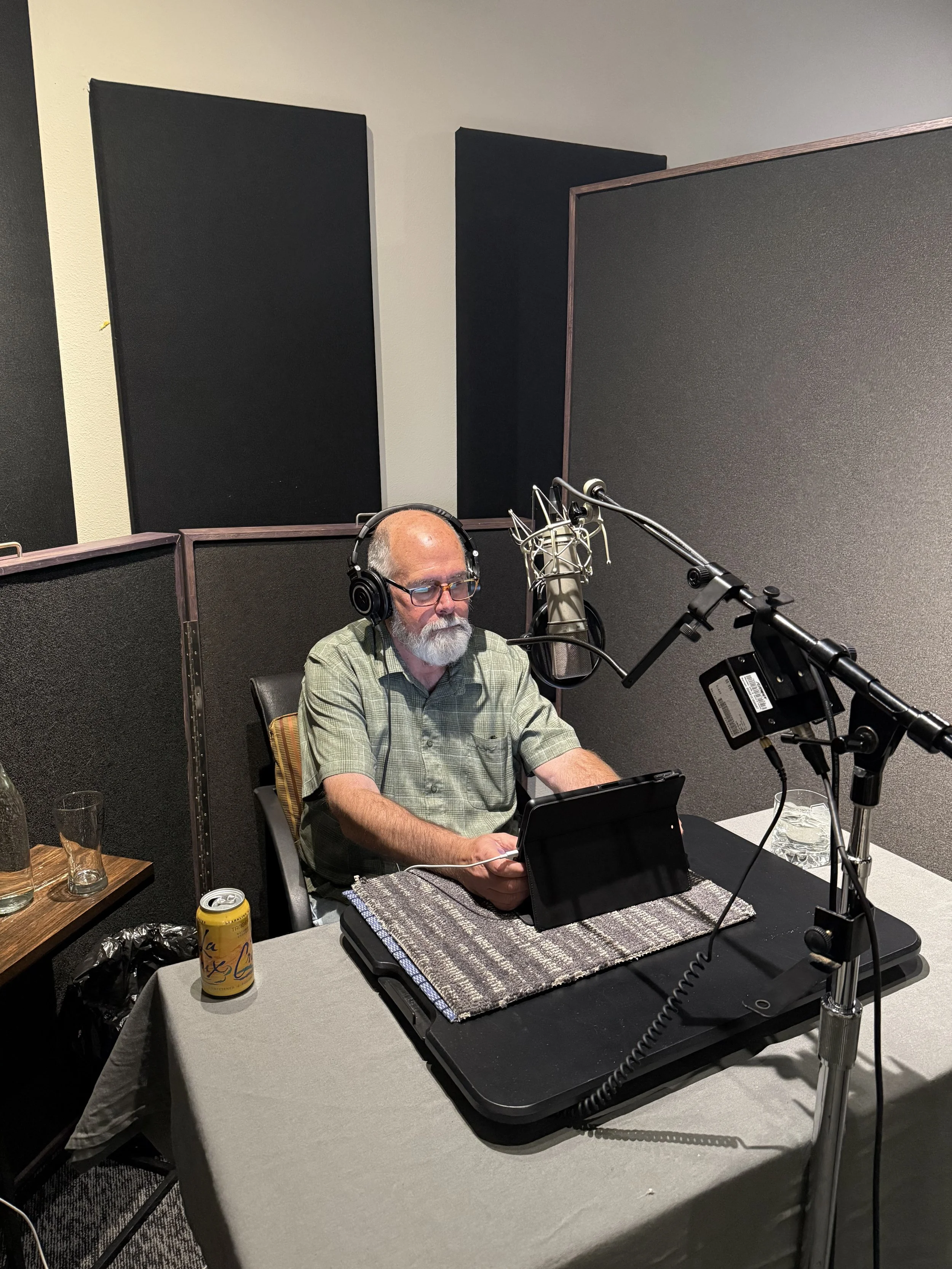
Audiobook coming soon!

-
![]()
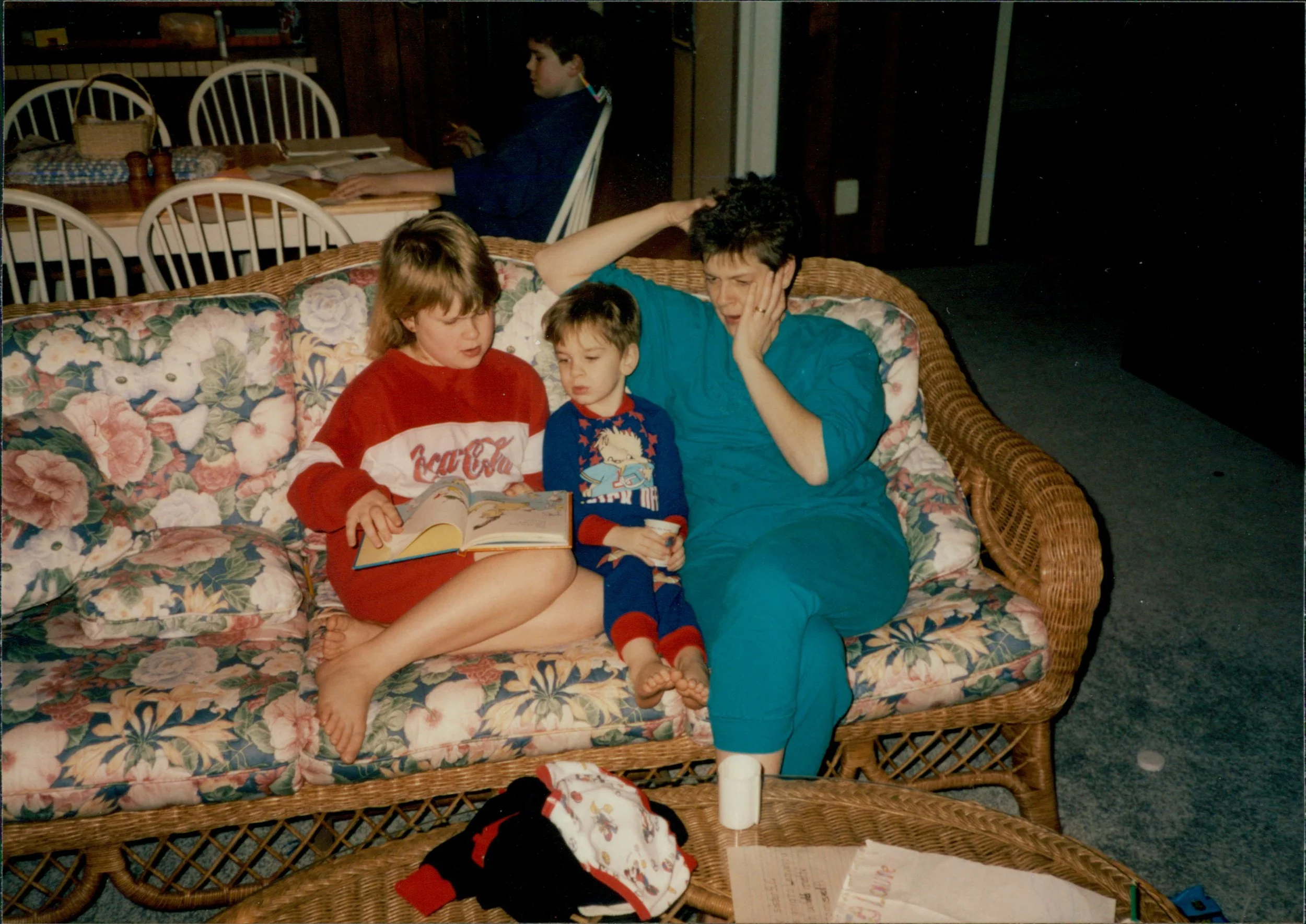
Reading with katie & mom
-
![]()
Alex
-
![]()
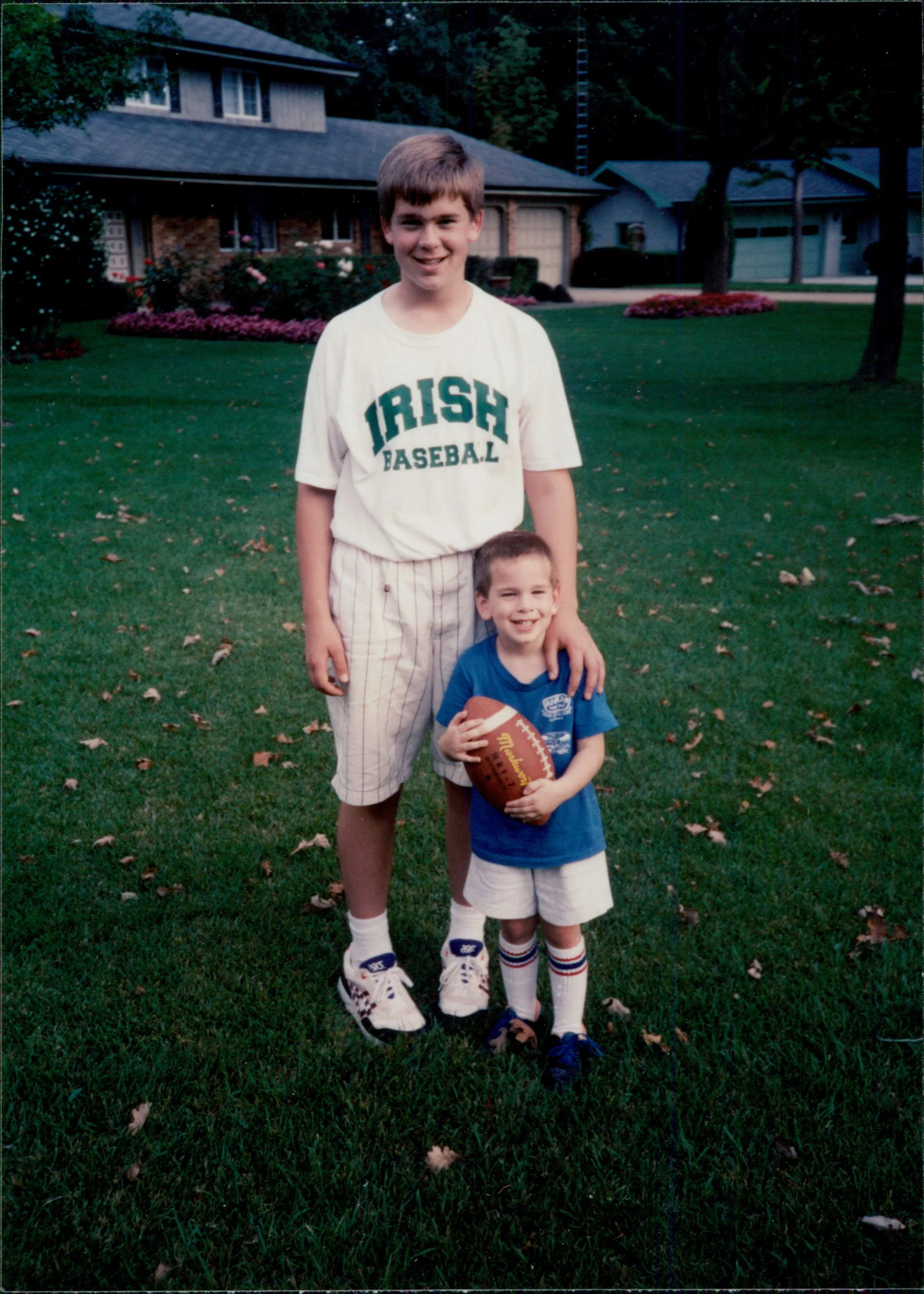
The boys
-
![]()
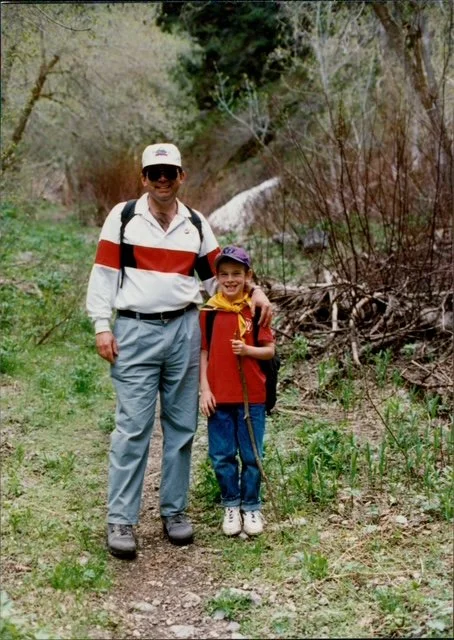
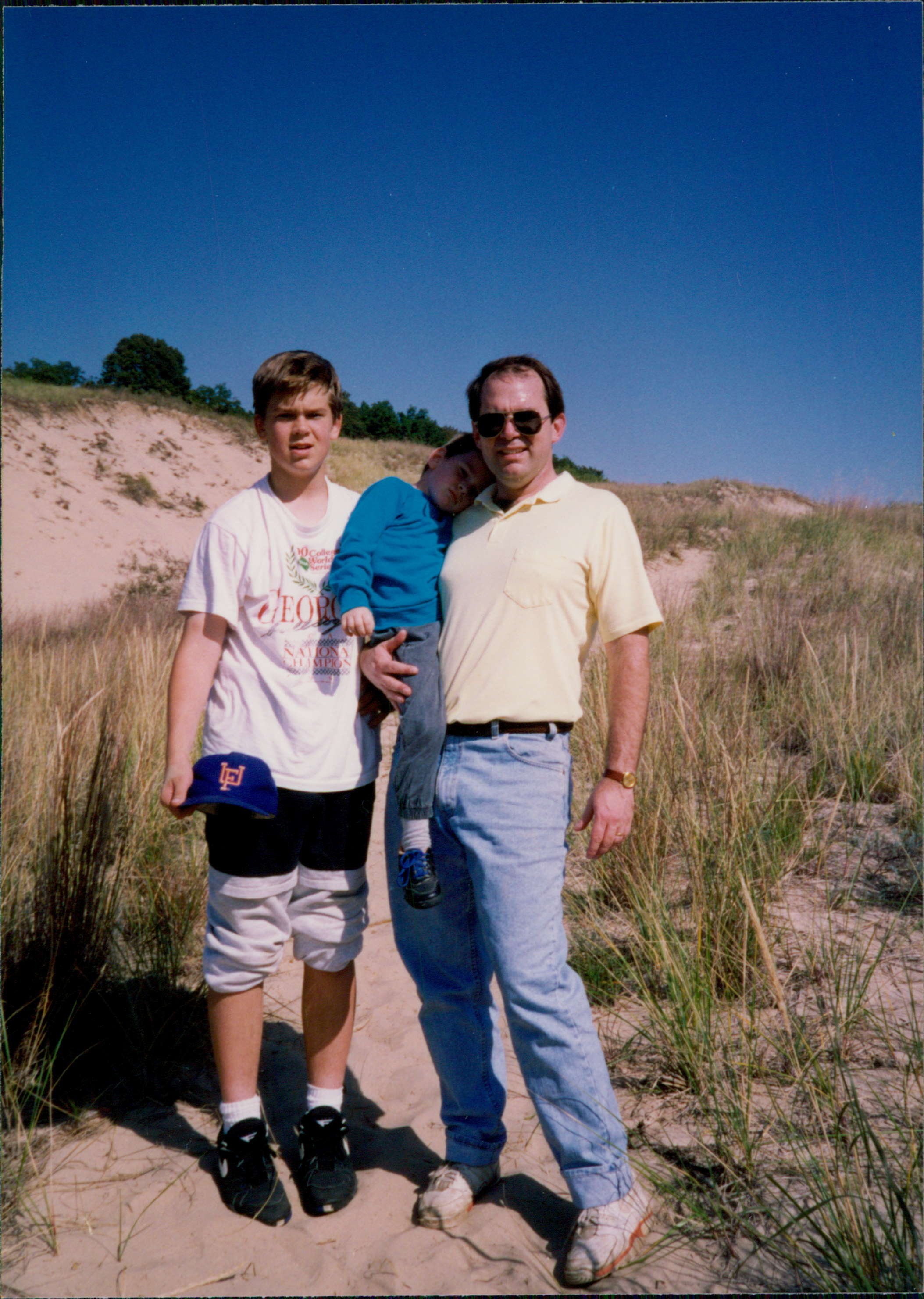
Jeff & Alex
-
![]()
Off to School
-
![]()
Alex Journaling
-
![]()
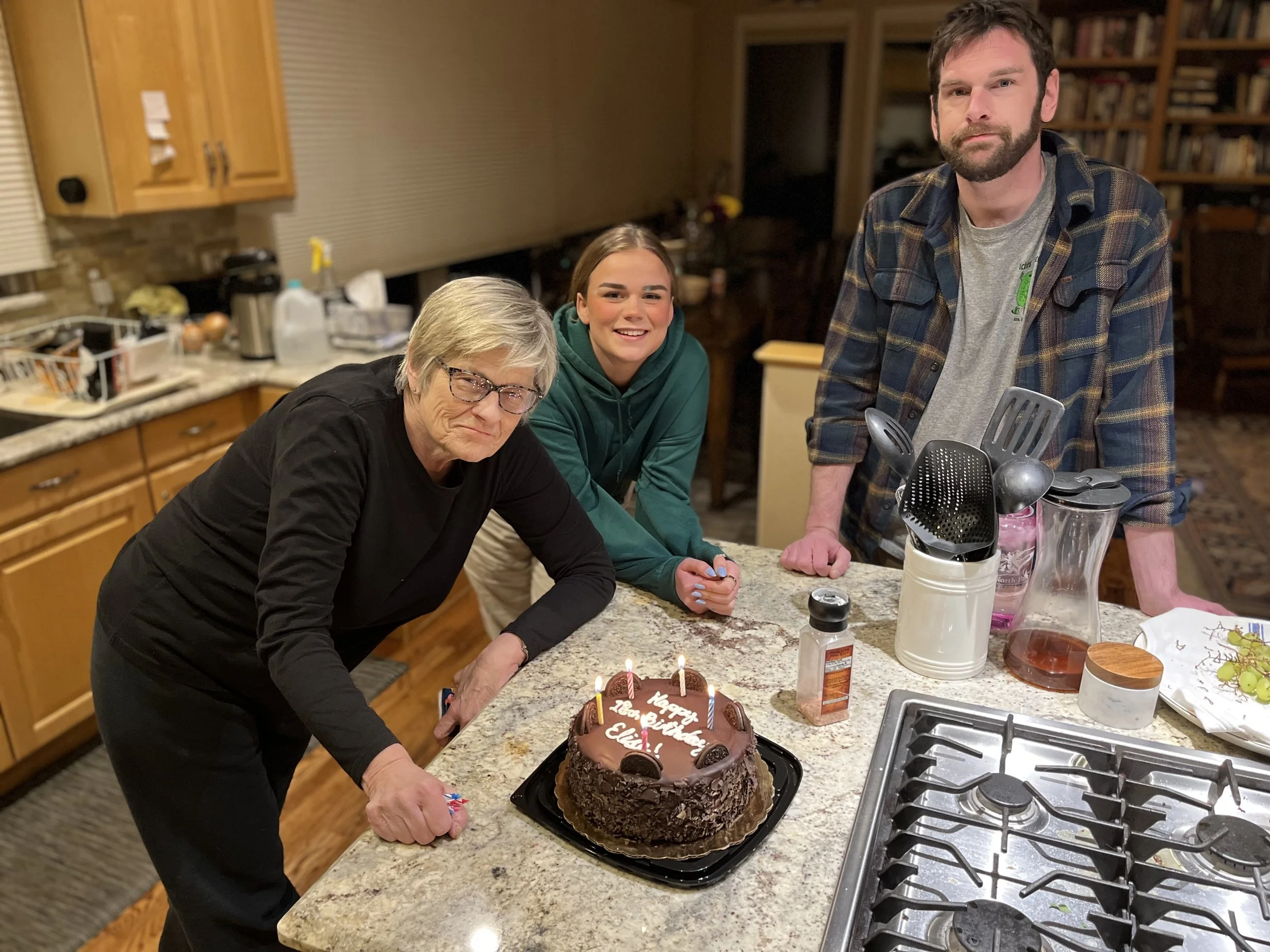
Kathy, Elise, & Alex
-
![]()
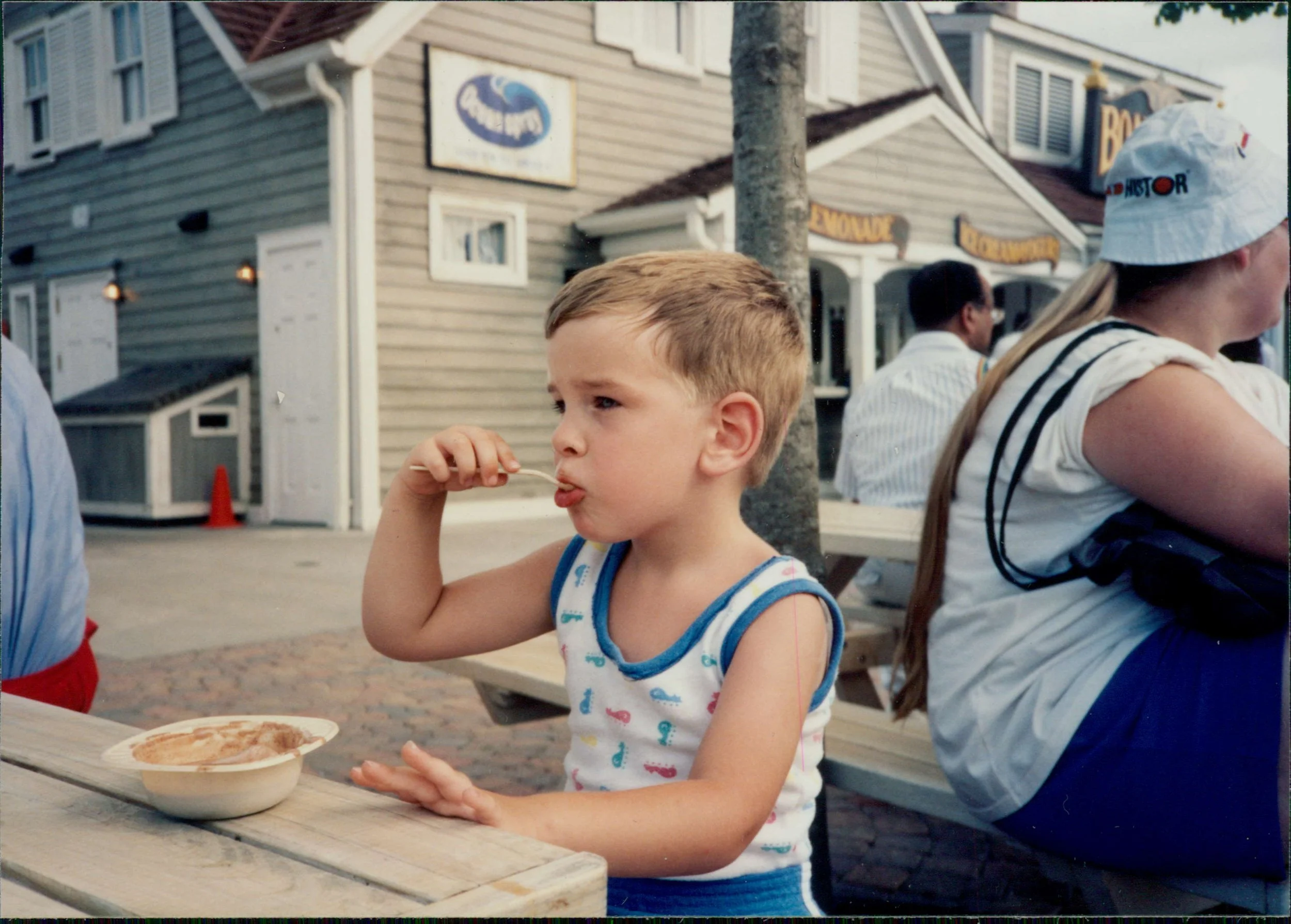
Kathy & kids at Disney
-
![]()
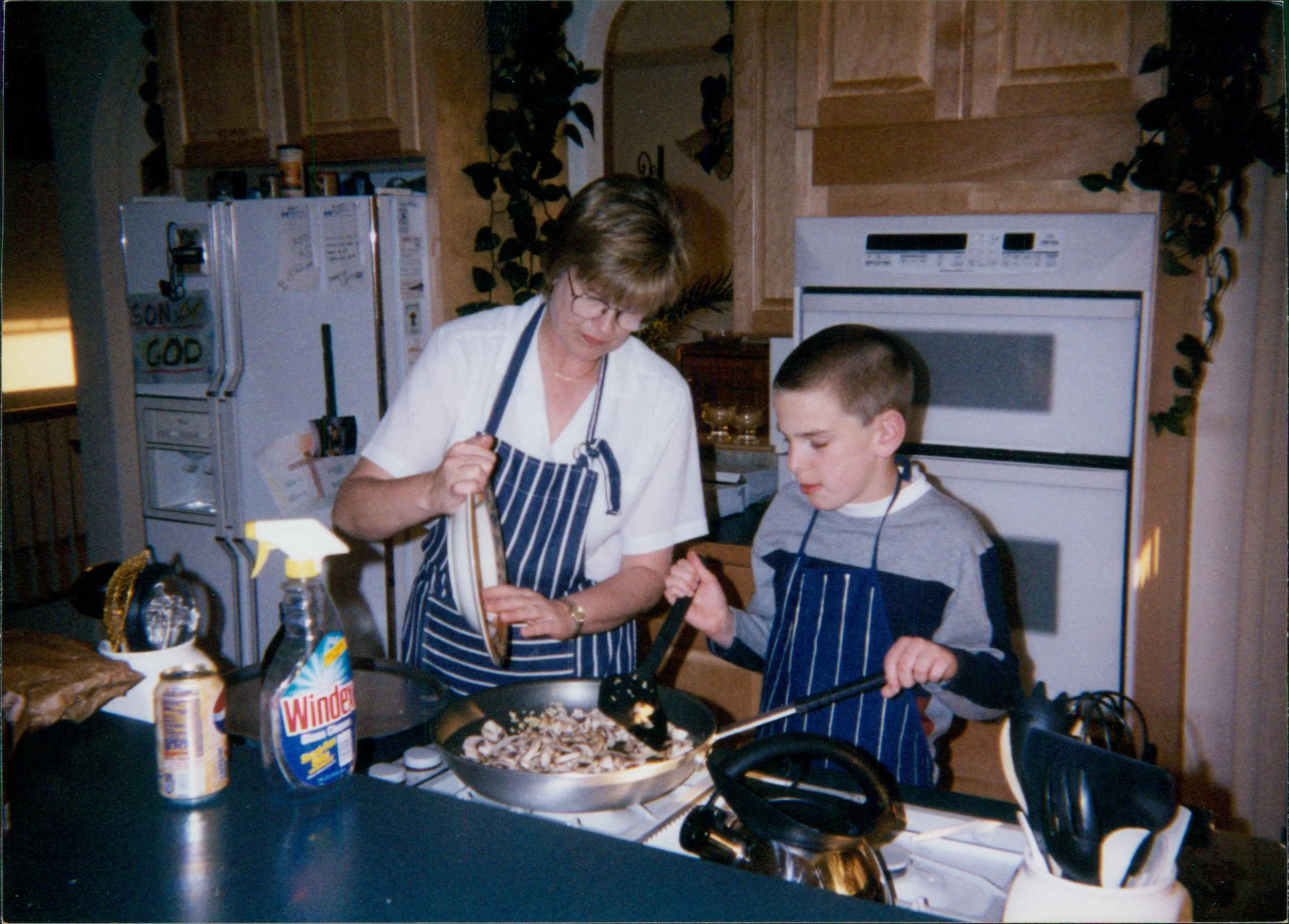
Alex Helping make dinner
-
![]()
Kathy & I
-
![]()
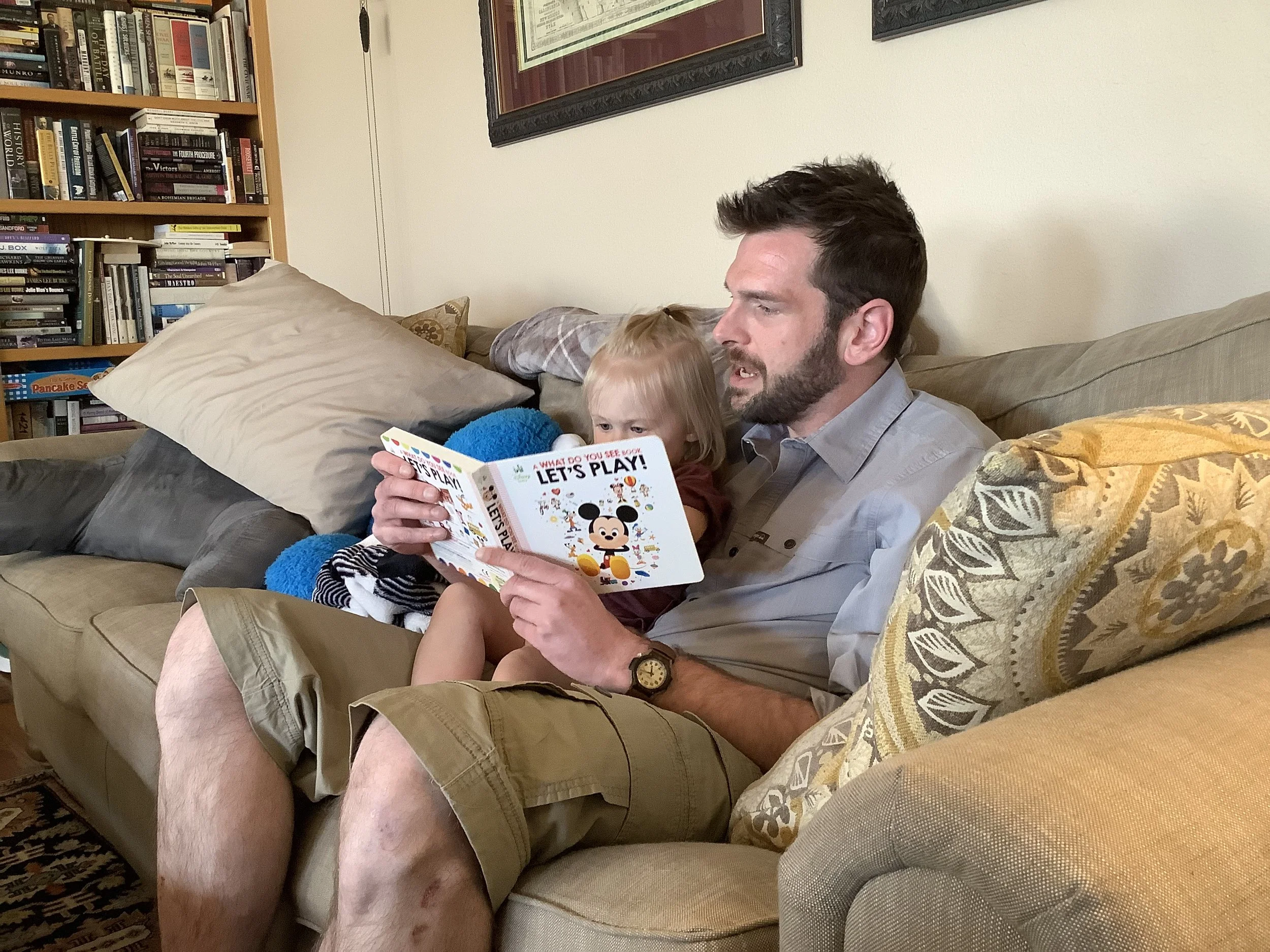
Reading to his niece
-
![]()
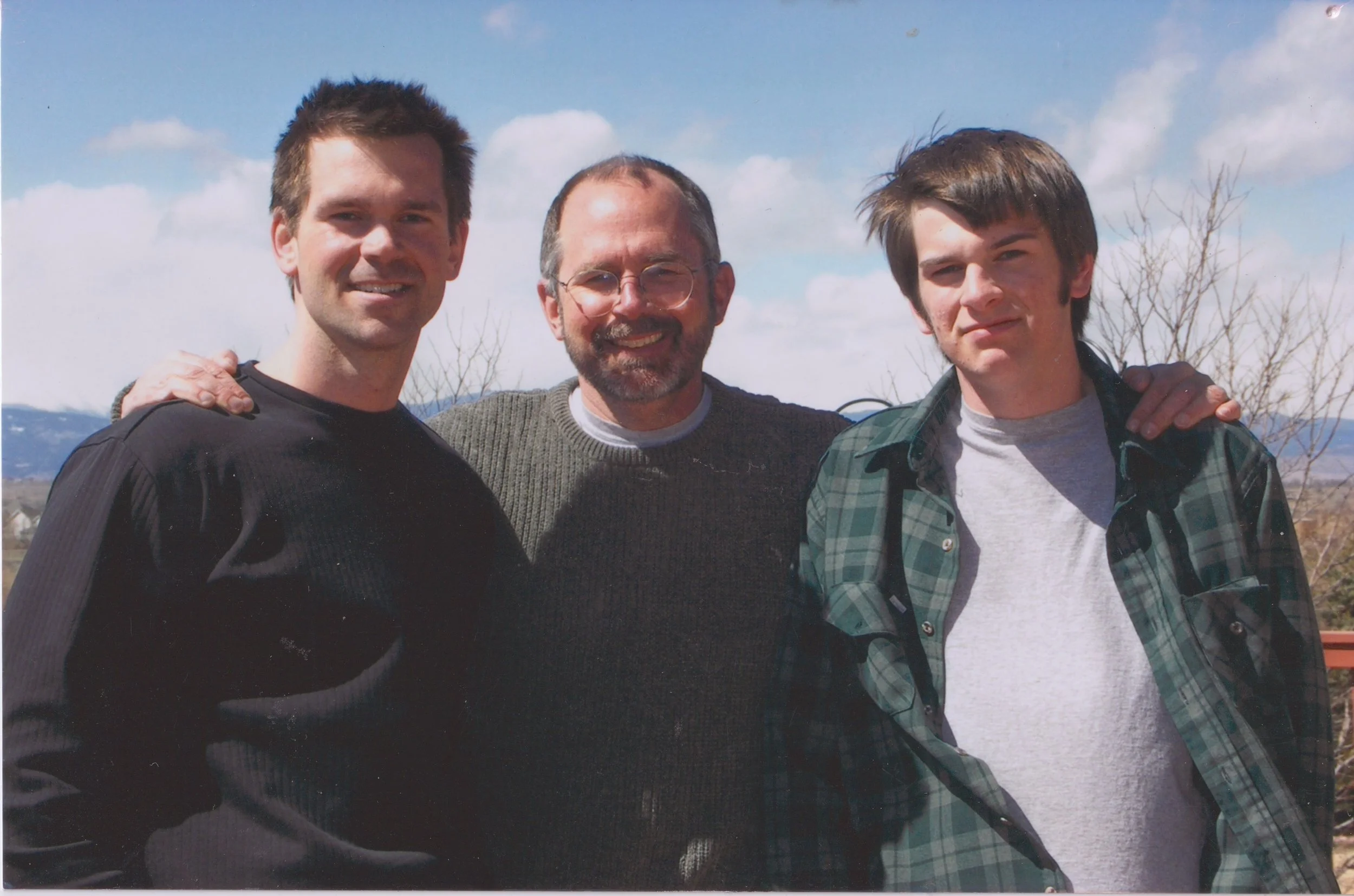
me & my boys
-
![]()
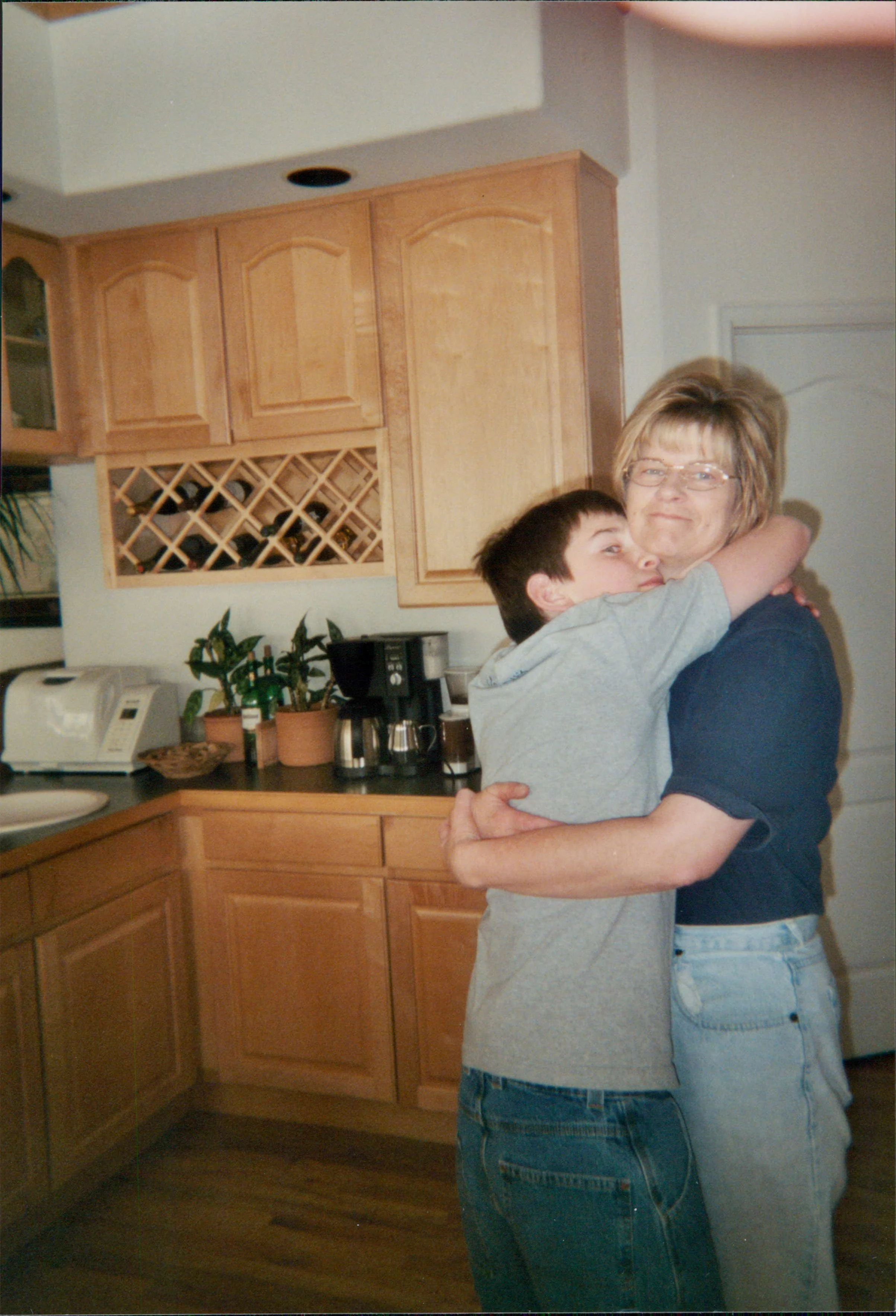
Big Hug
-
![]()
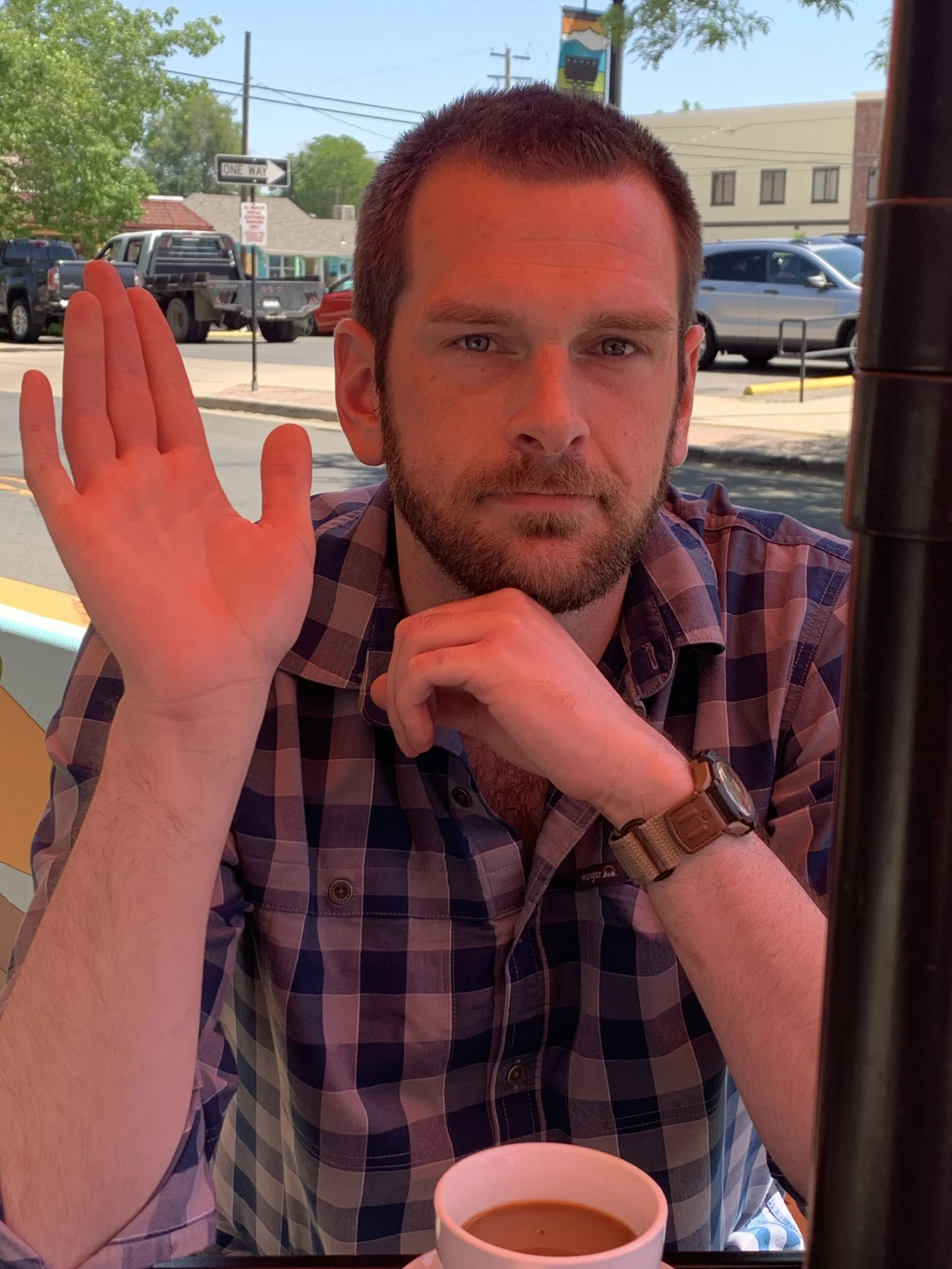
Alex saying hi over breakfast in denver
-
![]()
Family




A note from Paula Wright
Paula currently serves as the Director of Crisis Services for Wyandot Behavioral Health Services in Kansas City, Kansas
Alex’s story is one that will stay with me for the rest of my life, not only as a clinician, but as a person in recovery and as a human being who had the privilege of truly knowing him. I worked closely with Alex in a recovery support role, walking alongside him and his family through countless attempts to find stability, peace, and ultimately, freedom from the grip of addiction and mental illness. We explored every path available, including mental health hospitalizations both voluntary and involuntary, electroconvulsive therapy, intensive therapy, substance use treatment programs, sober living environments, alternative recovery models, creative outlets, and many other meaningful interventions. Each effort was grounded in hope, and each setback carried a weight that is difficult to fully put into words.
What made Alex’s journey uniquely complex was the depth of his suffering. His anxiety was not simply present, it was consuming. In many ways, Alex lived in a near-constant state of crisis. Almost every day brought a new layer of urgency, distress, or instability that required attention, support, and intervention. In all my years of working with individuals struggling with addiction and mental health, I have rarely encountered someone who experienced such a persistent and unrelenting level of internal crisis. It was a painful and exhausting way to live, and it shaped nearly every aspect of his life.
His substance use reflected both ingenuity and desperation, using unconventional and often dangerous methods to escape the intensity of what he felt inside. Beneath all of that, Alex was brilliant. He was thoughtful, intellectually curious, and artistically gifted. He could engage in conversations that were insightful and profound, and he had a capacity for honesty that was both rare and disarming. But with that honesty came an equally profound level of pain, pain tied to fear of judgment, fear of disappointing others, and a deeply rooted sense of not being enough.
Alex changed me. He challenged how I understand addiction, mental illness, and the limits of what even the most dedicated support systems can do. His story forced me to sit with the uncomfortable truth that sometimes, despite every intervention, every resource, and every ounce of care, the outcome is not what we hope for. It deepened my empathy, strengthened my commitment to crisis work, and reshaped how I approach both individuals and families navigating these realities. It also brought forward the complicated and often unspoken experience of guilt, the quiet question of whether more could have been done. From my perspective, Alex’s parents, Jeff and Kathy, pursued every possible avenue with unwavering love, courage, and persistence. They stood beside him every step of the way, even in the most difficult and uncertain moments.
His story matters because it reflects the reality that so many families face but rarely speak about openly. It highlights the intersection of severe anxiety, depression, and substance use in a way that challenges assumptions and calls for deeper understanding. It reminds us that addiction is not always straightforward, that the substances people use are evolving, and that the reasons behind use are often rooted in profound psychological pain. Alex’s life, and his death, underscore the importance of continued education, compassionate intervention, and honest conversations about what it means to support someone who is struggling at this level.
I feel honored to have known Alex and to have been trusted by his family. I consider Jeff and Kathy not only dedicated parents, but people I deeply respect and care about. I also want to acknowledge the courage it took for Jeff to write this book, to share Alex’s story with such honesty, vulnerability, and purpose. His willingness to do so creates an opportunity for others to learn, reflect, and feel less alone.
Alex’s story has left a permanent imprint on my life and my work. If sharing even a part of his journey helps another person feel understood, helps a family feel less alone, or brings awareness to the complexities of addiction and mental illness, then his story continues to have purpose. And that, I believe, is something deeply meaningful.
Alex, if there is any peace to be found beyond the weight you carried here, I hope you are finally able to rest in it. You were deeply valued, and you are deeply missed.